What we assess and treat.
Every consultation begins with a rigorous clinical assessment. Below are the conditions we most commonly see across our UK clinics — click any card to read our detailed guide.
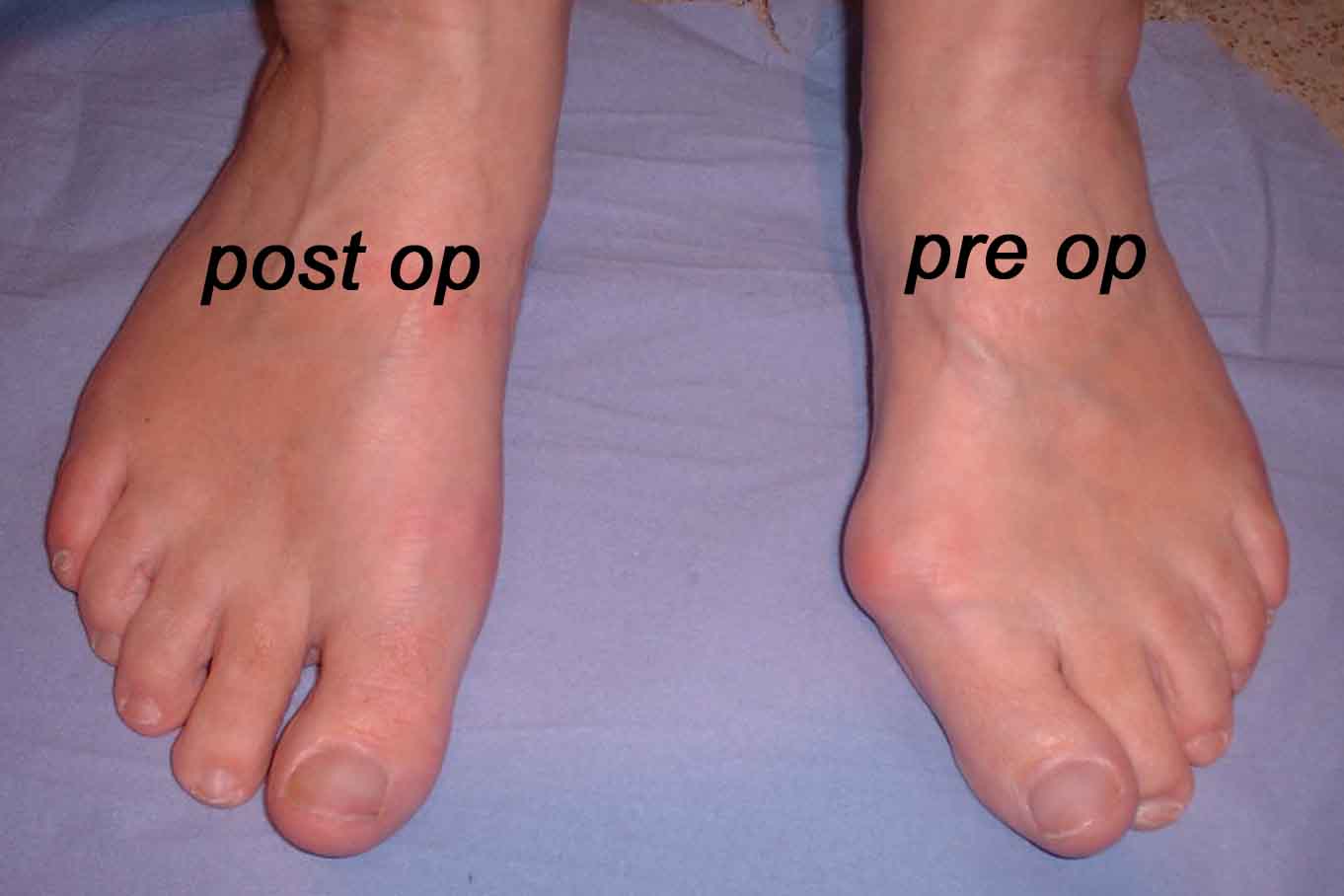
Hallux Valgus (Bunions)
Hallux valgus — commonly called a bunion — is a progressive deformity of the big toe joint in which the great toe drifts laterally and a bony prominence forms on the inside of the forefoot. It is one of the most prevalent structural foot problems in adults, affecting an estimated 20–35% of the population and considerably more women than men.
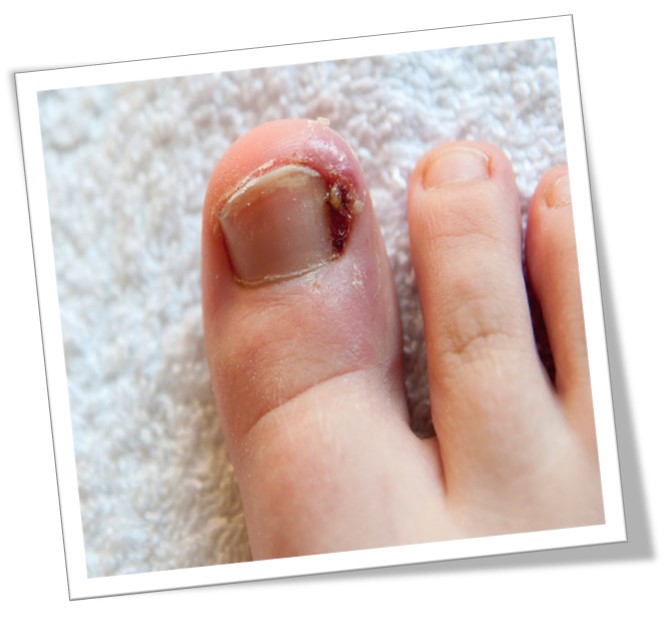
Ingrown Toenails
An ingrown toenail (onychocryptosis) occurs when the edge of the nail plate penetrates the surrounding skin, provoking inflammation, pain and often infection. The great toe is by far the most commonly affected.
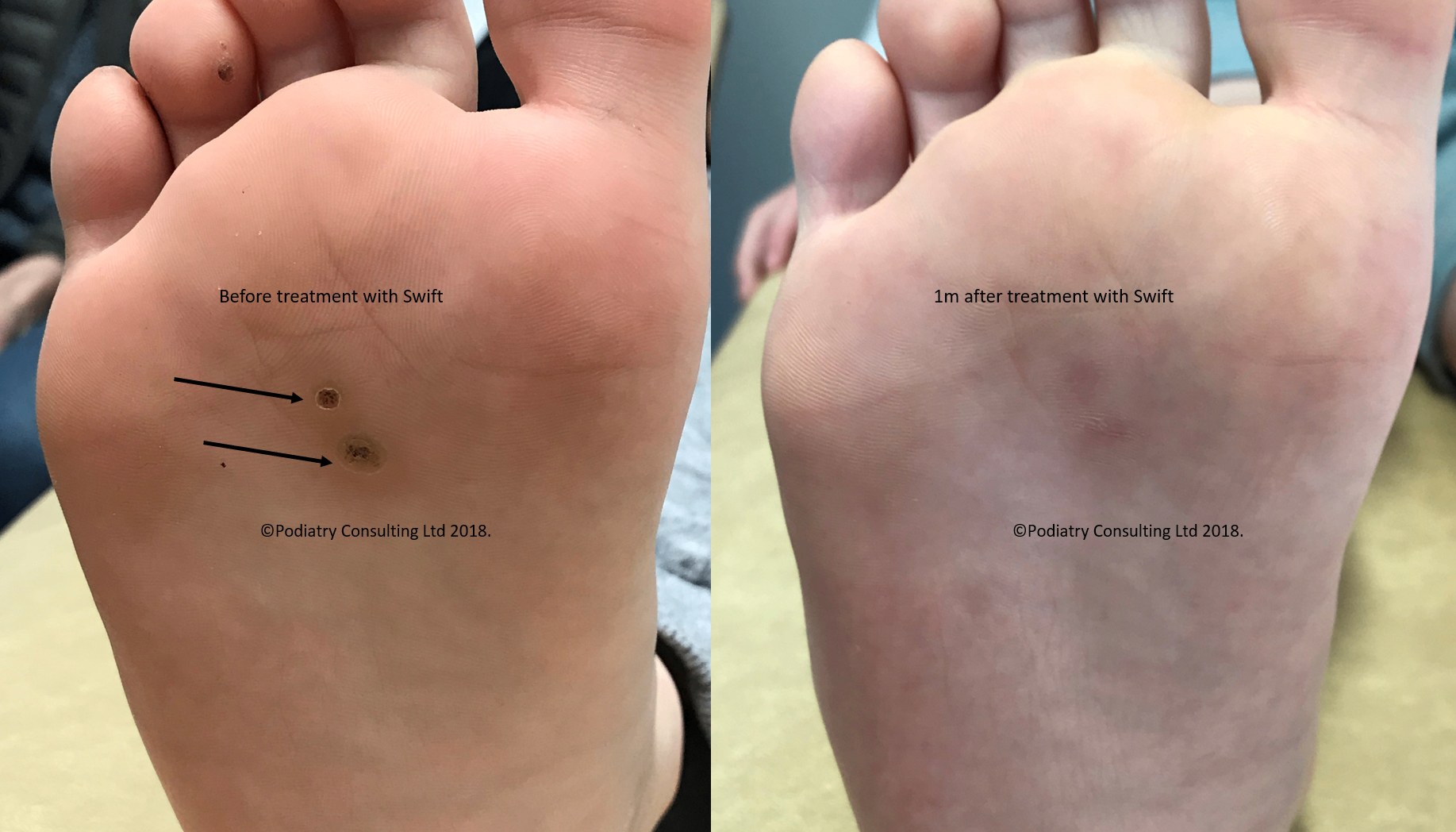
Verrucae & Plantar Warts
Verrucae are viral skin lesions caused by the human papillomavirus (HPV), typically acquired through minor breaks in the skin in shared damp environments — swimming pools, changing rooms and gym floors. They are common in school-age children and young adults, but occur at any age.

Heel & Arch Pain
Heel and arch pain is one of the most common reasons adults consult a foot and ankle specialist. The underlying cause is usually plantar fasciitis — inflammation and micro-tearing of the strong band of tissue that spans the arch — but it may also involve heel-fat-pad atrophy, calcaneal bone stress, nerve entrapment or referred pain from the lower back.
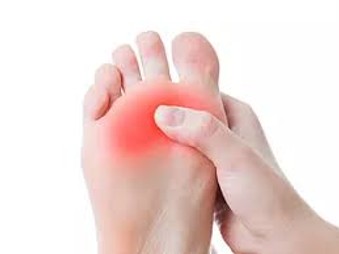
Metatarsalgia & Morton's Neuroma
'Metatarsalgia' is an umbrella term for pain across the ball of the foot. Common underlying diagnoses include Morton's neuroma (a thickening of the nerve between the metatarsal heads), capsulitis of the second metatarsophalangeal joint, plantar plate injury, stress reaction of a metatarsal, and simple mechanical overload.

Children's Gait Concerns
Most children pass through phases of in-toeing, out-toeing, flat-footedness and even tip-toe walking as part of normal development. The great majority resolve without any intervention. A smaller number reflect a structural, neurological or genetic issue that benefits from early assessment.

Sports Injuries
Sport places extraordinary demands on the foot and ankle. Overuse injuries — Achilles tendinopathy, plantar fasciopathy, tibialis posterior dysfunction, stress reactions and turf toe — account for the majority of consultations, with acute ankle sprains and forefoot injuries making up much of the remainder.
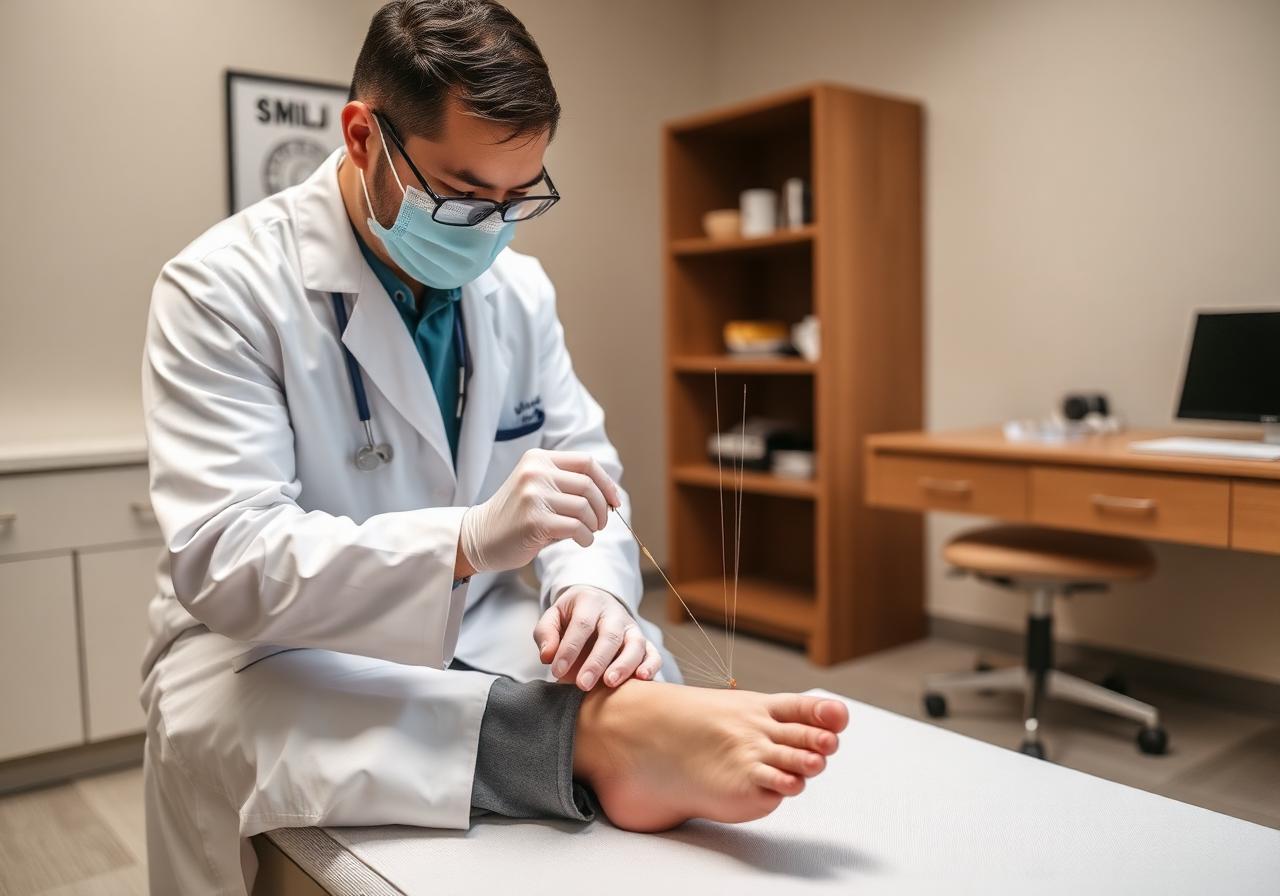
Diabetic & At-Risk Feet
Diabetes, peripheral vascular disease, rheumatoid disease and long-term steroid therapy all place the foot at heightened risk of ulceration, infection and, in the worst cases, amputation. The good news is that most of this risk is preventable with structured screening and prompt attention to warning signs.
Not sure what you're experiencing?
Book a consultation and we will assess your concern and recommend the right pathway.