Heel & Arch Pain
About the condition
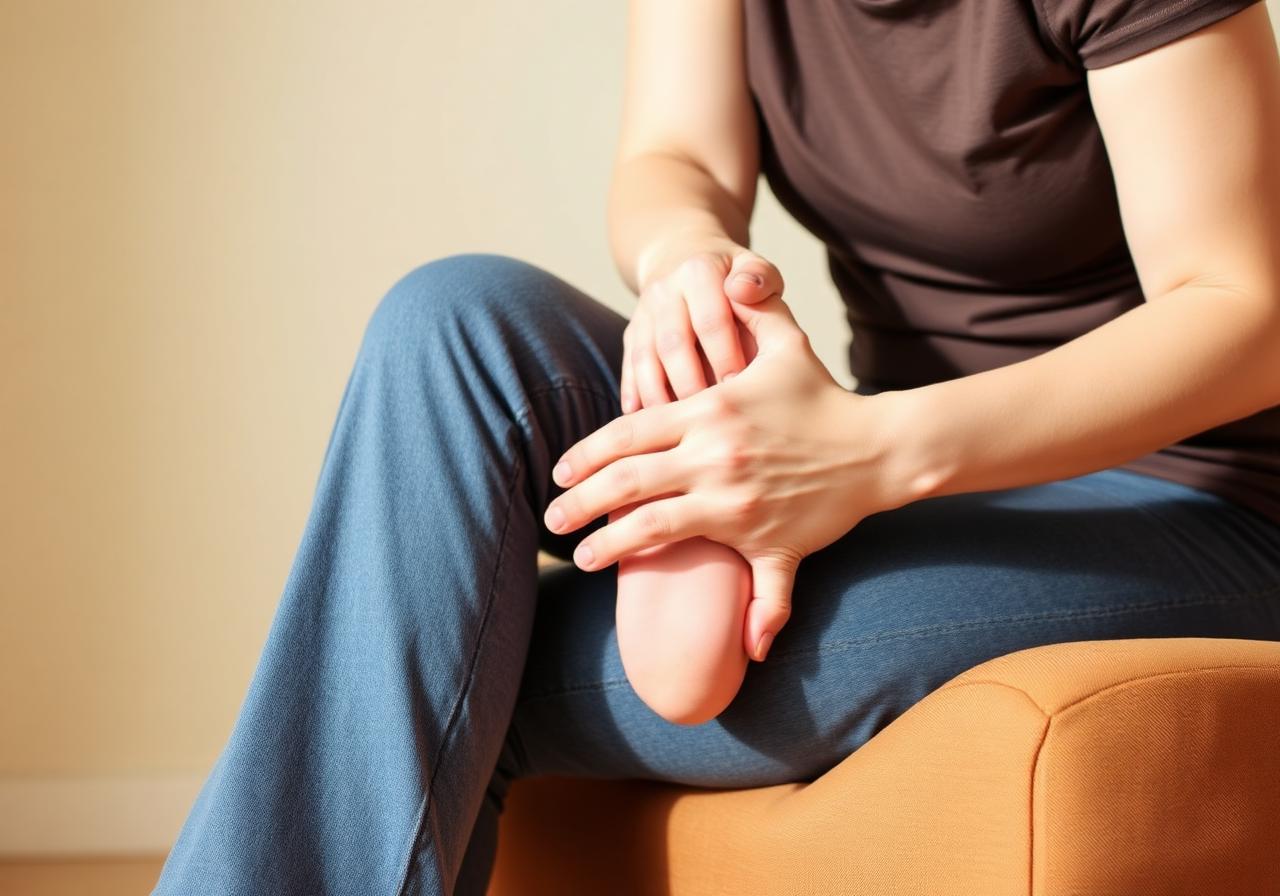
Heel and arch pain is one of the most common reasons adults consult a foot and ankle specialist. The underlying cause is usually plantar fasciitis — inflammation and micro-tearing of the strong band of tissue that spans the arch — but it may also involve heel-fat-pad atrophy, calcaneal bone stress, nerve entrapment or referred pain from the lower back.
Risk factors include a sudden increase in walking or running, prolonged standing on hard floors, tight calf muscles, obesity, ageing footwear and biomechanical patterns such as over-pronation or a high, rigid arch.
Most cases resolve within six to twelve months with well-directed conservative care. A minority require imaging, injection therapy or, rarely, surgery.
What patients notice
- •Sharp pain under the heel with the first few steps in the morning
- •Pain that eases with movement but returns after prolonged standing
- •Tenderness on direct pressure over the inside of the heel
- •Aching or burning along the arch
- •Tight calves and a feeling of stiffness in the back of the leg
Why timely assessment matters
- •Chronic, self-perpetuating pain that alters gait and posture
- •Compensatory pain in the knee, hip or lower back
- •Reduced activity leading to weight gain and deconditioning
- •Rarely, partial or complete rupture of the plantar fascia
How we treat it
Biomechanical assessment and orthoses
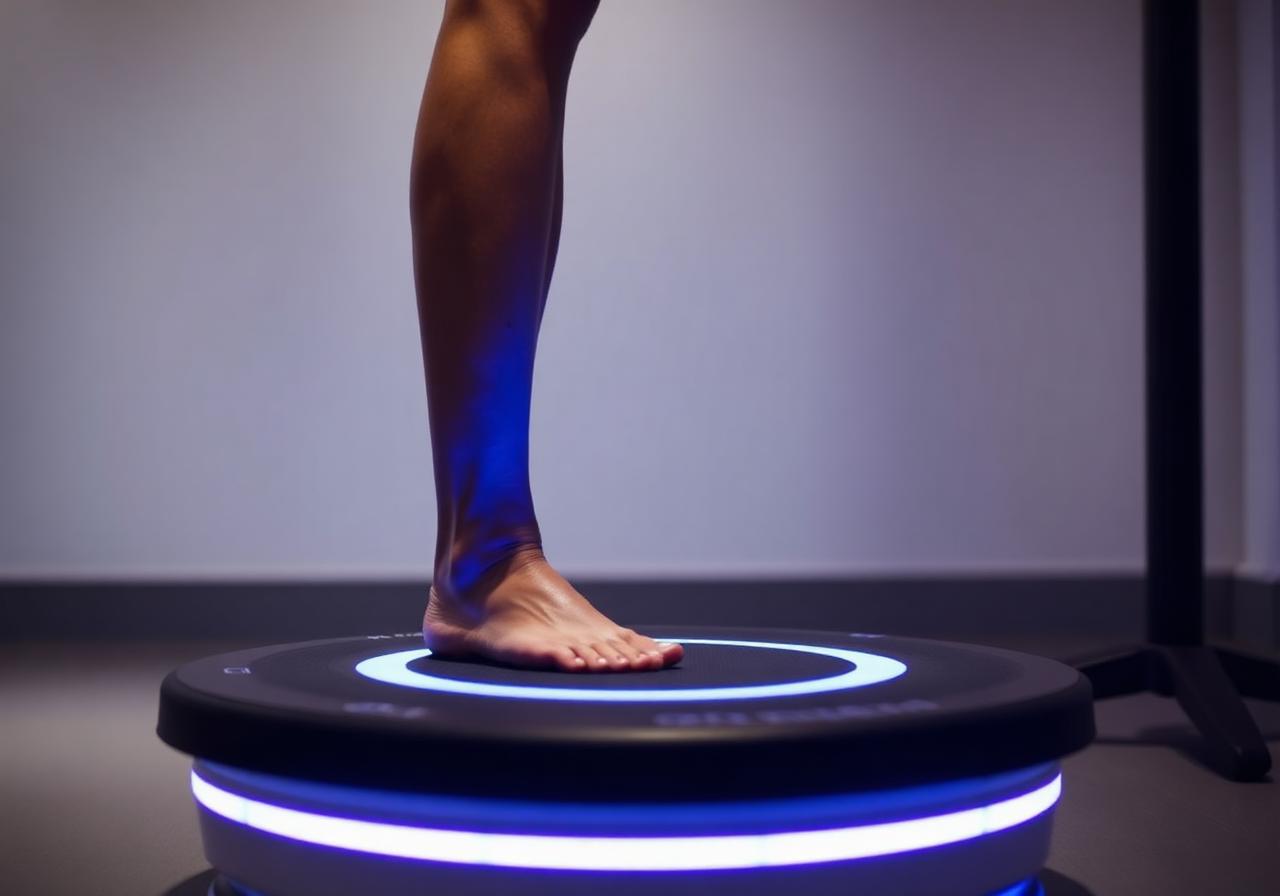
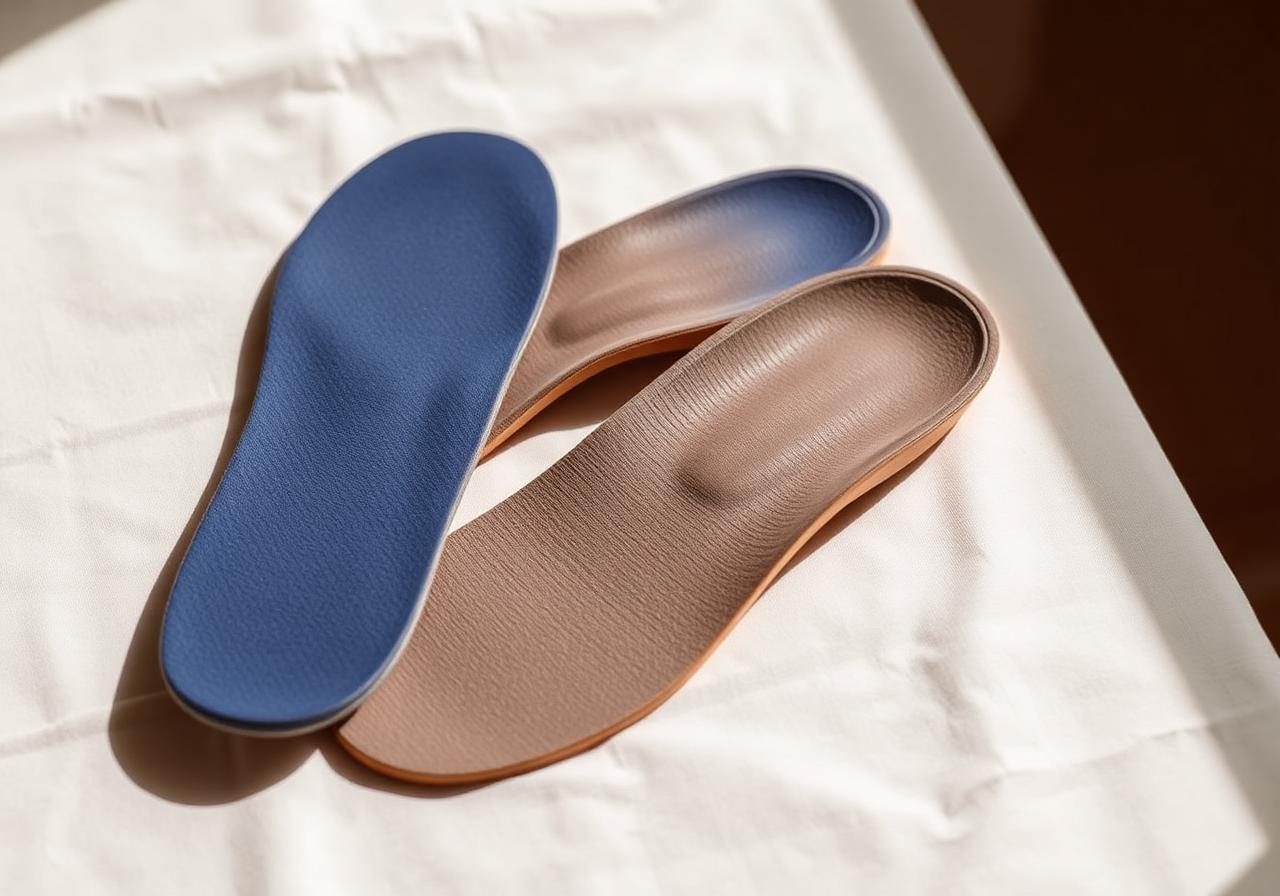
Computerised gait analysis identifies overload patterns; bespoke orthoses offload the plantar fascia and correct the underlying mechanics.
Structured stretching and strengthening
Calf, Achilles and intrinsic foot muscle work — supported by written plans — is the single most evidence-supported intervention.
Footwear review
Cushioned, supportive shoes with a modest heel-to-toe drop; replacement of worn-out trainers.
Targeted injection therapy
Corticosteroid or high-volume injections under ultrasound guidance for recalcitrant cases.
Extracorporeal shockwave therapy
A non-invasive option for chronic plantar fasciitis with good evidence when conservative care has plateaued.
Surgical release
Reserved for the small proportion of patients whose symptoms persist beyond twelve months of well-directed non-operative care.
And why
Walking barefoot on hard floors first thing
Why: The plantar fascia is at its tightest overnight; unsupported loading provokes the classic first-step pain.
Persisting with worn-out trainers
Why: Loss of midsole cushioning shifts stress back onto the fascia and fat pad.
Sudden ramp-ups in running distance
Why: The tissue adapts slowly; abrupt increases in load are the commonest trigger for a flare.
Cortisone injections in isolation
Why: They can settle pain in the short term but, used without addressing mechanics, recurrence is common and repeated injections risk fat pad atrophy.
This page provides general information about the condition and is not a substitute for personalised clinical advice. Diagnosis and treatment planning should always follow an in-person consultation.
Discuss heel & arch pain with a consultant.
Book a consultation at Spire Parkway or an online review with Mr Stuart Metcalfe.