Metatarsalgia & Morton's Neuroma

About the condition
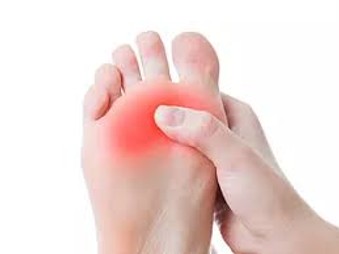
'Metatarsalgia' is an umbrella term for pain across the ball of the foot. Common underlying diagnoses include Morton's neuroma (a thickening of the nerve between the metatarsal heads), capsulitis of the second metatarsophalangeal joint, plantar plate injury, stress reaction of a metatarsal, and simple mechanical overload.
The problem is more common in women, in those who spend long hours in dress or heeled footwear, and in runners. Foot shape matters: a long second metatarsal, a splayed forefoot or a hypermobile first ray each concentrate load on the wrong structures.
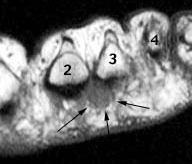
Careful clinical examination — supplemented by ultrasound or MRI where appropriate — is essential because treatment differs markedly between diagnoses that can look similar at first.
What patients notice
- •Burning, aching or shooting pain across the ball of the foot
- •Feeling of walking on a pebble or with a sock rucked up
- •Numbness or tingling into the toes (typical of neuroma)
- •Swelling or dislocation-like discomfort in a single toe (capsulitis / plantar plate)
- •Symptoms worse in narrow shoes and relieved by walking barefoot
Why timely assessment matters
- •Progressive nerve thickening and permanent altered sensation
- •Toe deformity — hammer toe or crossover toe — if plantar plate damage is missed
- •Missed metatarsal stress fracture progressing to a completed break
- •Chronic gait alteration with secondary knee, hip and back symptoms
How we treat it
Diagnostic imaging
Ultrasound and MRI reliably distinguish neuroma from capsulitis, plantar plate rupture and bone stress — the essential first step.
Footwear and metatarsal padding
Wide toe boxes, cushioned midsoles and precisely placed metatarsal domes to offload the affected area.
Custom orthoses
Prescribed on the basis of gait analysis to redistribute forefoot load and support the medial column.
Ultrasound-guided injection therapy
Corticosteroid or hydrodissection for confirmed Morton's neuroma; targeted anti-inflammatory injections for capsulitis.
Surgery for persistent neuroma or plantar plate injury
Excision of the neuroma or plantar plate repair when non-operative measures have failed to control symptoms.
And why
Narrow or pointed shoes
Why: They squeeze the metatarsal heads together, compressing any neuroma and aggravating capsulitis.
Repeated cortisone injections without a diagnosis
Why: Steroid can weaken the plantar plate and cause fat-pad atrophy if used blindly.
Barefoot running to 'strengthen the foot' during a flare
Why: It increases forefoot loading precisely where the tissue is failing.
Ignoring numbness into the toes
Why: Persistent nerve compression can leave permanent sensory change even after successful treatment of the neuroma.
This page provides general information about the condition and is not a substitute for personalised clinical advice. Diagnosis and treatment planning should always follow an in-person consultation.
Discuss metatarsalgia & morton's neuroma with a consultant.
Book a consultation at Spire Parkway or an online review with Mr Stuart Metcalfe.