Children's Gait Concerns
About the condition
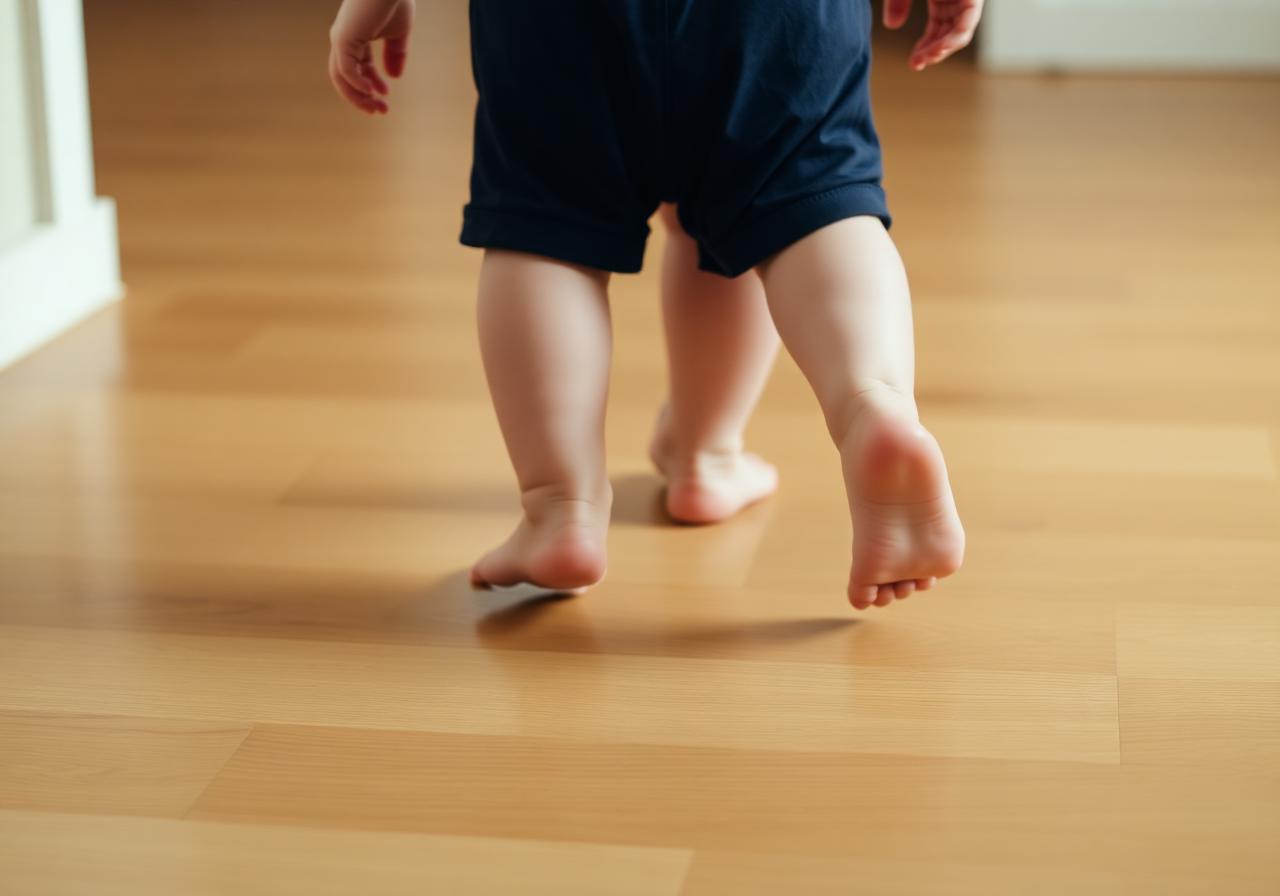
Most children pass through phases of in-toeing, out-toeing, flat-footedness and even tip-toe walking as part of normal development. The great majority resolve without any intervention. A smaller number reflect a structural, neurological or genetic issue that benefits from early assessment.
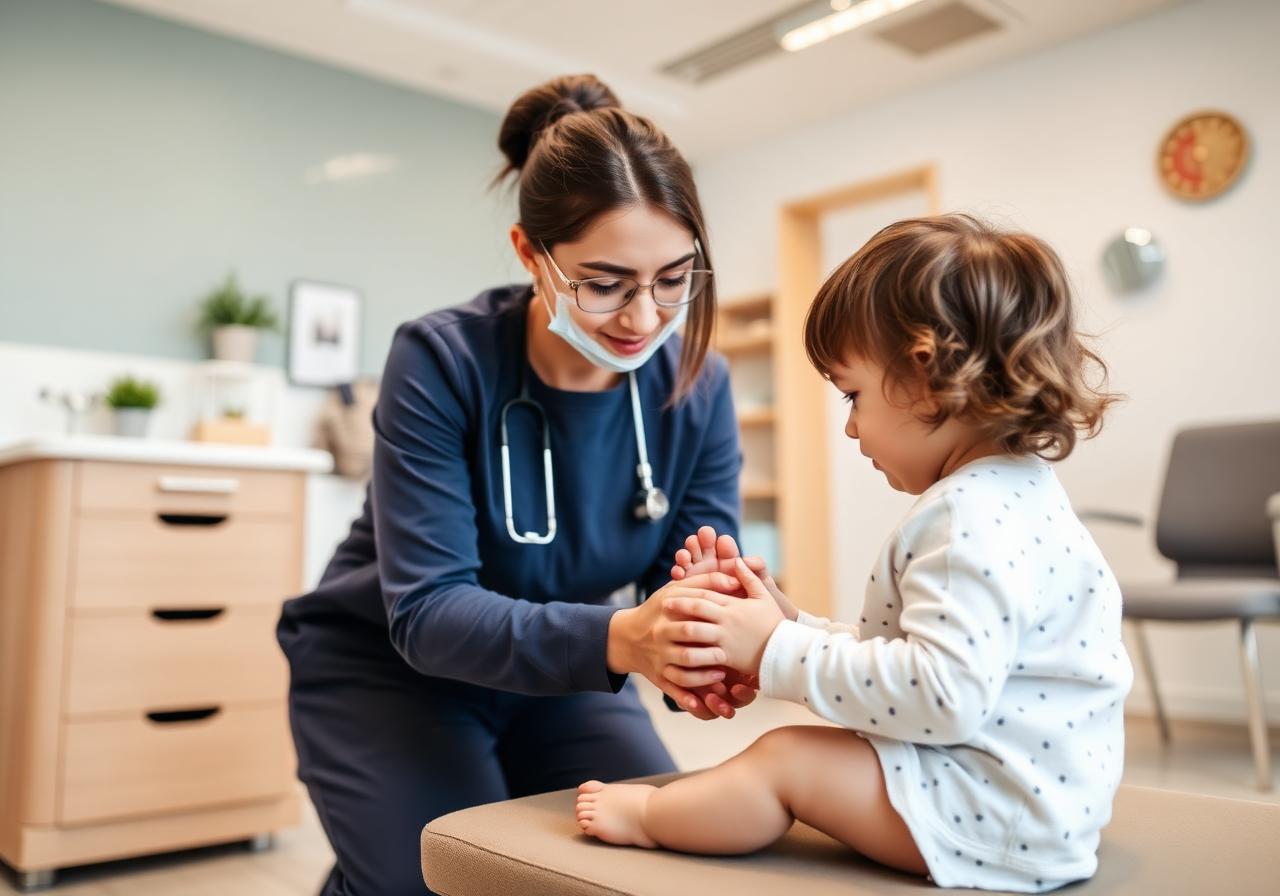
The role of a paediatric podiatric consultation is to distinguish normal developmental variation from patterns that warrant treatment — and to reassure the family, in detail, when reassurance is what is needed.
We routinely see children from around 18 months upwards, working closely with GPs, paediatricians and orthopaedic colleagues where onward referral is appropriate.
What patients notice
- •Tripping frequently or clumsy running
- •Turning of the feet inwards or outwards while walking
- •Persistent tip-toe walking beyond the toddler years
- •Complaints of foot, leg or knee pain, particularly at night
- •Uneven wear on the shoes or shoes being 'wrecked' quickly
- •Reluctance to keep up with peers in sport or play
Why timely assessment matters
- •Missed structural conditions such as tarsal coalition, congenital vertical talus or hip dysplasia
- •Missed neurological signs where tip-toe walking is not idiopathic
- •Persistent painful flat foot into adolescence and adulthood
- •Loss of confidence in physical activity, with long-term implications for fitness
How we treat it
Full paediatric gait assessment
Detailed history, examination and, where useful, video gait analysis to characterise the pattern and its cause.
Reassurance and monitoring
Many findings are developmental and resolve spontaneously. A structured monitoring plan is often the right answer.
Footwear and activity guidance
Simple, evidence-based recommendations on shoes, sport and everyday movement, tailored to the child's stage.
Prescription orthoses
Reserved for symptomatic or clearly abnormal patterns, and always alongside strengthening and mobility work.
Physiotherapy and stretching programmes
Age-appropriate exercises delivered in a way children will actually do, often as games or short daily routines.
Onward referral where indicated
To paediatric orthopaedics, neurology or rheumatology when the examination raises concern about an underlying condition.
And why
Buying rigid 'corrective' shoes on the high street
Why: There is no evidence they change developing feet, and they can make walking more effortful for the child.
Assuming a limp is 'growing pains'
Why: A limp in a child is a clinical sign that always warrants examination — genuine growing pains are not associated with limping.
Waiting years to see whether tip-toe walking resolves
Why: Persistent tip-toe walking beyond age 3 deserves assessment to exclude tight Achilles, cerebral palsy or a sensory basis.
Comparing siblings' feet as a diagnostic tool
Why: Normal variation between children is wide; a like-for-like comparison rarely tells you what you need to know.
This page provides general information about the condition and is not a substitute for personalised clinical advice. Diagnosis and treatment planning should always follow an in-person consultation.
Discuss children's gait concerns with a consultant.
Book a consultation at Spire Parkway or an online review with Mr Stuart Metcalfe.